
Lilac Trimming Service in Honolulu, HI
Lilac trimming services involve carefully shaping and maintaining lilac bushes to promote healthy growth and enhance their appearance. This type of project typically includes removing dead or overgrown branches, controlling the size and shape of the shrub, and encouraging abundant flowering during the blooming season. Homeowners often request this service to keep their gardens tidy, prevent the plants from becoming too unruly, and ensure the lilacs remain a beautiful focal point in the landscape.
Before requesting lilac trimming, property owners usually want to understand the best time of year for pruning, which is generally after the flowering period, and how much of the plant should be removed to avoid damaging future blooms. It’s also helpful to consider the overall health of the shrub and whether any additional maintenance, such as fertilization or disease prevention, might be needed. Clear communication about the desired shape and size can help achieve the most satisfying results for the garden’s aesthetic and health.
Many property owners in Honolulu, HI look into Lilac Trimming Service for repairs, replacements, upgrades, and appearance-related improvements.

Lilac Trimming Service Services
Examples of lilac trimming service work property owners may explore in honolulu, hi.

Lilac Trimming Service Updates
Common ways people refresh, improve, or restore lilac trimming service features in honolulu, hi.
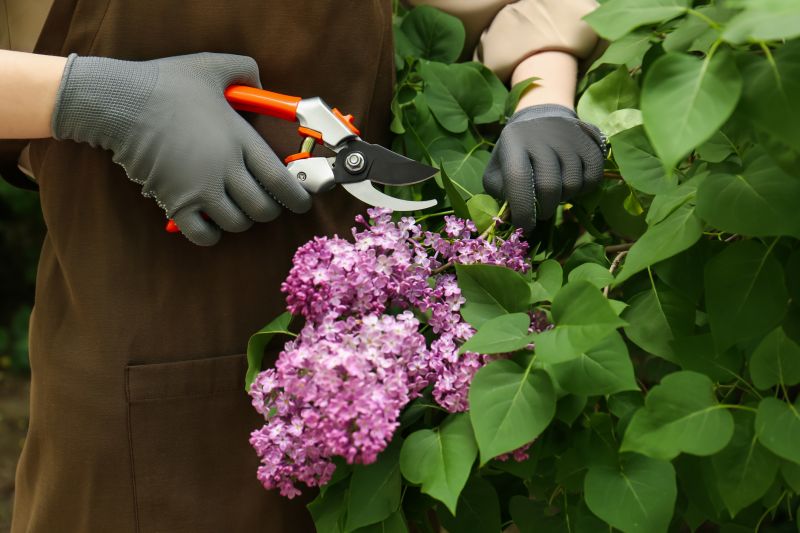
Lilac Trimming Service Options
Different styles, layouts, and finishes people consider for lilac trimming service in honolulu, hi.
Lilac Trimming Service in Honolulu, HI

Lilac trimming services involve carefully shaping and maintaining lilac bushes to promote healthy growth and enhance their appearance. This type of project typically includes removing dead or overgrown branches, controlling the size and shape of the shrub, and encouraging abundant flowering during the blooming season. Homeowners often request this service to keep their gardens tidy, prevent the plants from becoming too unruly, and ensure the lilacs remain a beautiful focal point in the landscape.
Before requesting lilac trimming, property owners usually want to understand the best time of year for pruning, which is generally after the flowering period, and how much of the plant should be removed to avoid damaging future blooms. It’s also helpful to consider the overall health of the shrub and whether any additional maintenance, such as fertilization or disease prevention, might be needed. Clear communication about the desired shape and size can help achieve the most satisfying results for the garden’s aesthetic and health.
Many property owners in Honolulu, HI look into Lilac Trimming Service for repairs, replacements, upgrades, and appearance-related improvements.
Common Lilac Trimming Service Jobs
Lilac Trimming - shaping and reducing lilac bushes to promote healthy growth.
Hedge Pruning - maintaining lilacs as neat, defined hedges for curb appeal.
Overgrown Lilac Removal - safely removing and replacing overgrown or damaged bushes.
Seasonal Trimming - preparing lilacs for different seasons to enhance flowering.
Thinning and Shaping - improving air circulation and aesthetics through strategic trimming.
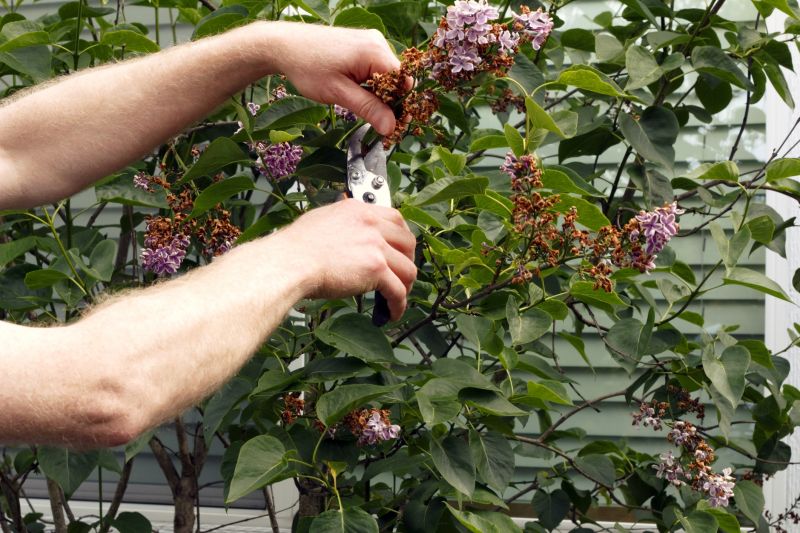
Deadheading - removing spent blooms to encourage new growth and flowering.

Lilac Trimming Service Questions
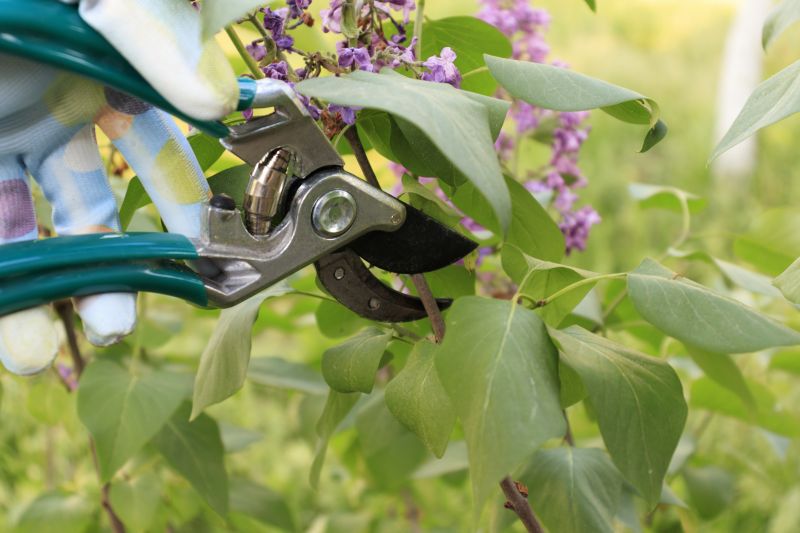
What is involved in lilac trimming? Lilac trimming typically includes removing dead or overgrown branches to promote healthy growth and improve shape.
When is the best time to trim lilacs? The ideal time to trim lilacs is immediately after they finish blooming in late spring or early summer.
Why should lilacs be trimmed regularly? Regular trimming encourages fuller blooms, maintains a desirable shape, and prevents disease.
Can lilacs be shaped during trimming? Yes, trimming can help shape lilacs to fit the desired landscape or aesthetic of the property.
Request Lilac Trimming Service in Honolulu, HI
Use the quote form on this page to share the basics of your project and request more information for the type of work you need.